Smith & Teed
The connection between Joseph Smith, the founder of Mormonism, and Cyrus Teed, the founder of the Koreshan Unity, is an intriguing one. Both men shared a common thread in their pursuit of spiritual enlightenment and the establishment of communities centered around their unique beliefs. Both men were considered “prophets” and both men were also cousins….
Joseph Smith laid the groundwork for a movement that blended elements of Judaism, Christianity, & the occult for a universal religion. His vision was not just spiritual but also organizational, as he established a theocratic community governed by a grand priest-president and a council of twelve. This structure echoed the apostolic traditions, yet it was infused with the mysticism of spiritism and seances. It is also safe to suggest that this movement was hi-jacked and turned into what we know today as modern day Mormonism/LDS.
Cyrus Teed, was known for his Koreshan Unity, which proposed a radically different cosmology and societal structure than that of the mainstream understanding. Teed believed humanity lived within the Earth and sought to create a utopian society centered around this idea while also focusing on communal living and spiritual enlightenment. Like Smith, Teed’s vision was deeply rooted in the belief that a higher truth was being revealed to him through divine illumination, a truth that he felt compelled to share with the world.
A further dive into these individuals using Gematria reveals even more significant connections.
Joseph Smith: English 852 Simple 142. We get matching words such as Male Hidden One, Great Spirit, Christ Consciousness, & Time Travel.
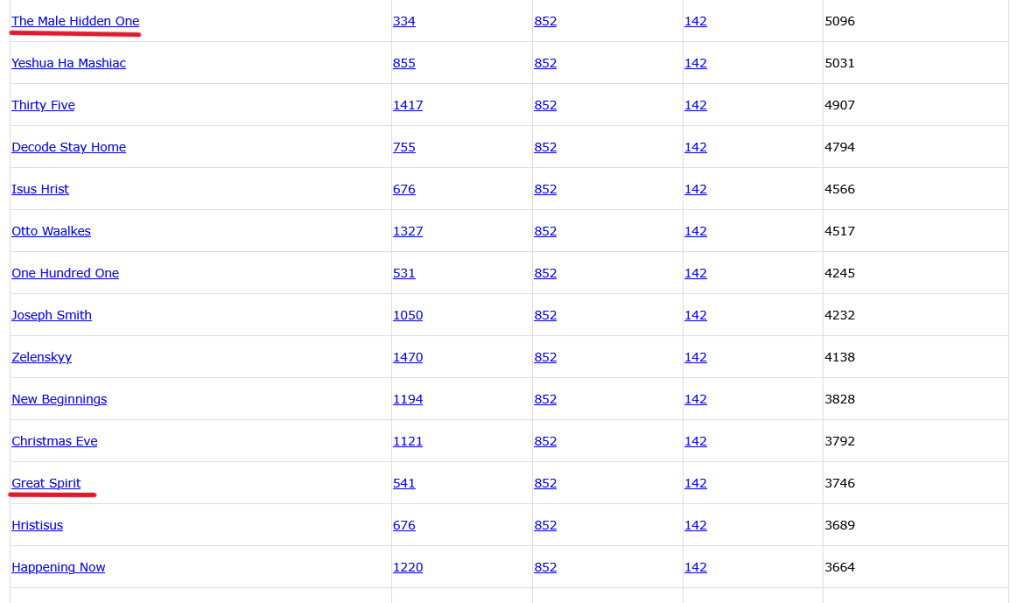
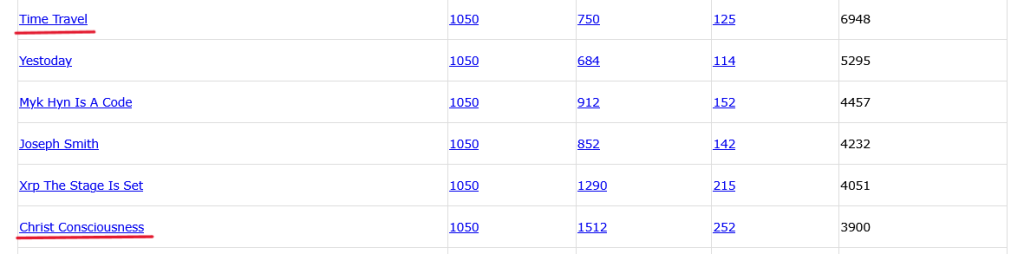
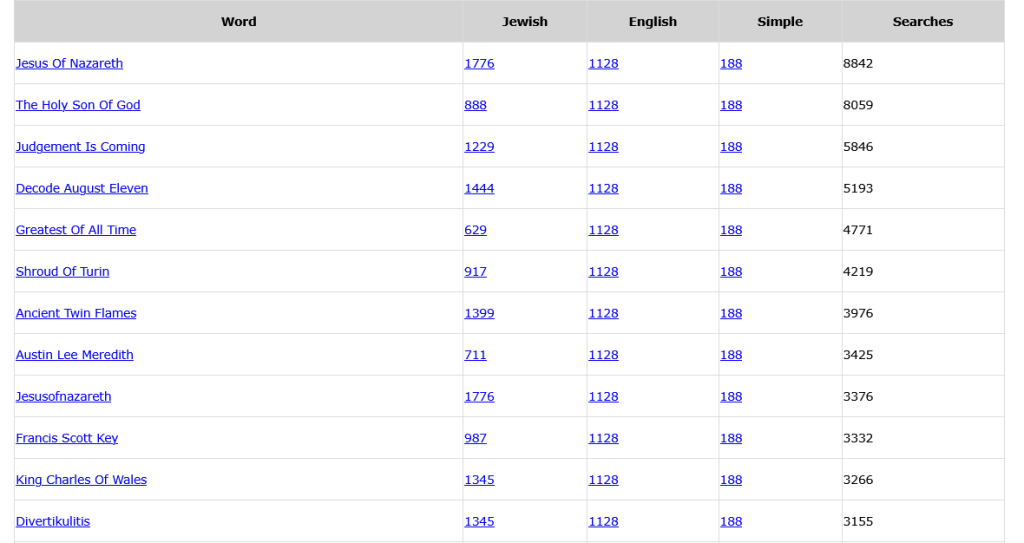
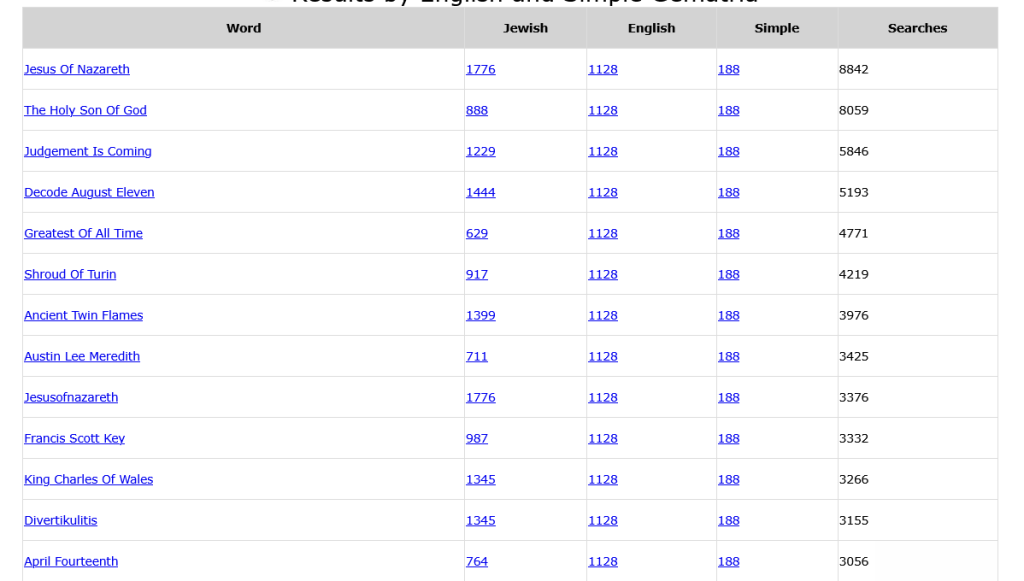
When we plug in Latter Day Saints we get English 1128 Simple 188 (Remember these). Matching words such as Jesus of Nazareth and The Holy Son of God.
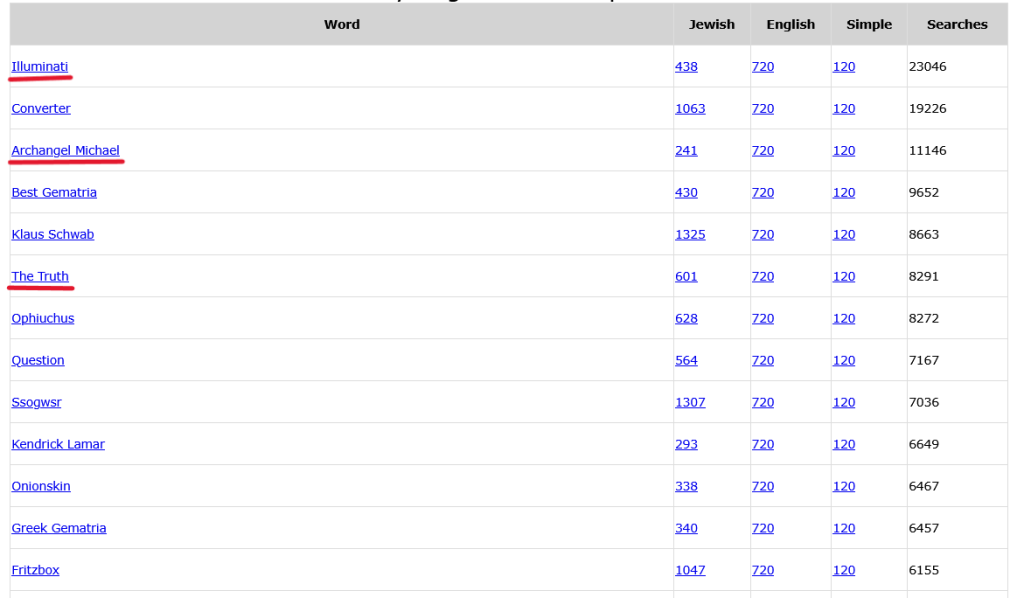
Cyrus Teed: English 720 Simple 120. We get matching words such as Illuminati (similar to the LDS movement, it is plausible to suggest that this movement was also hi-jacked), Archangel Michael, & The Truth. We also can see that Teed’s numbers match that of Planet Earth.

When we plug in Cellular Cosmogony we arrive at even more wild connections.
Cellular Cosmogony: English 1260 Simple 210 *note that the Simple identifier is identical to Teed’s*. With Cellular Cosmogony we arrive at Spiritual Awakening, Remember Who You Are, & Take Back Your Power.
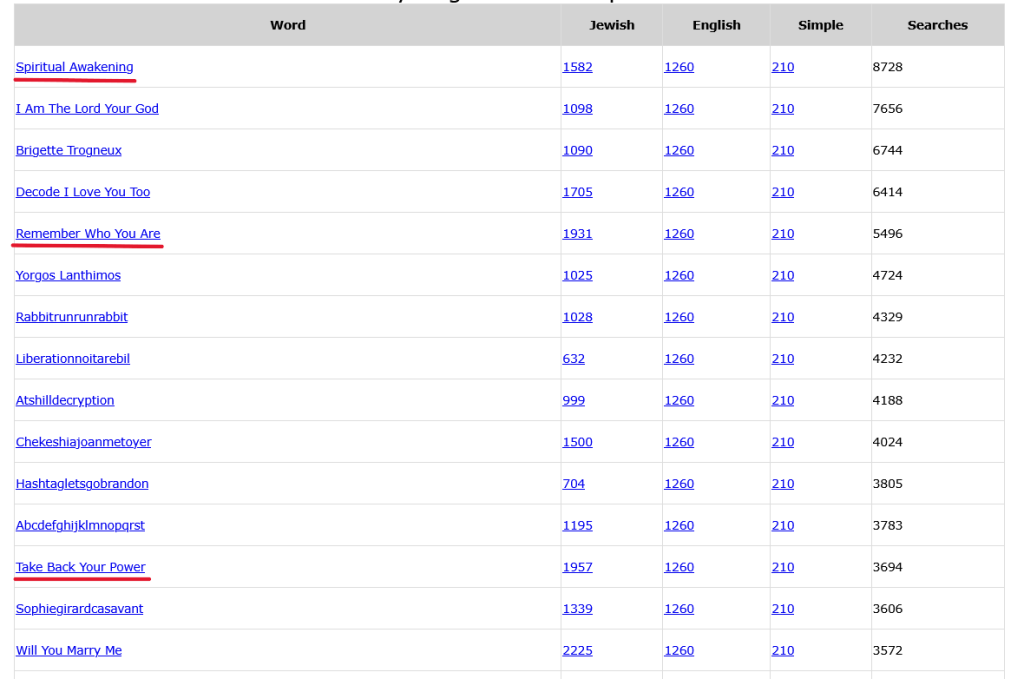
What’s even more fascinating is when you plug in Inverted Universe, it matches identically to Cellular Cosmogony.
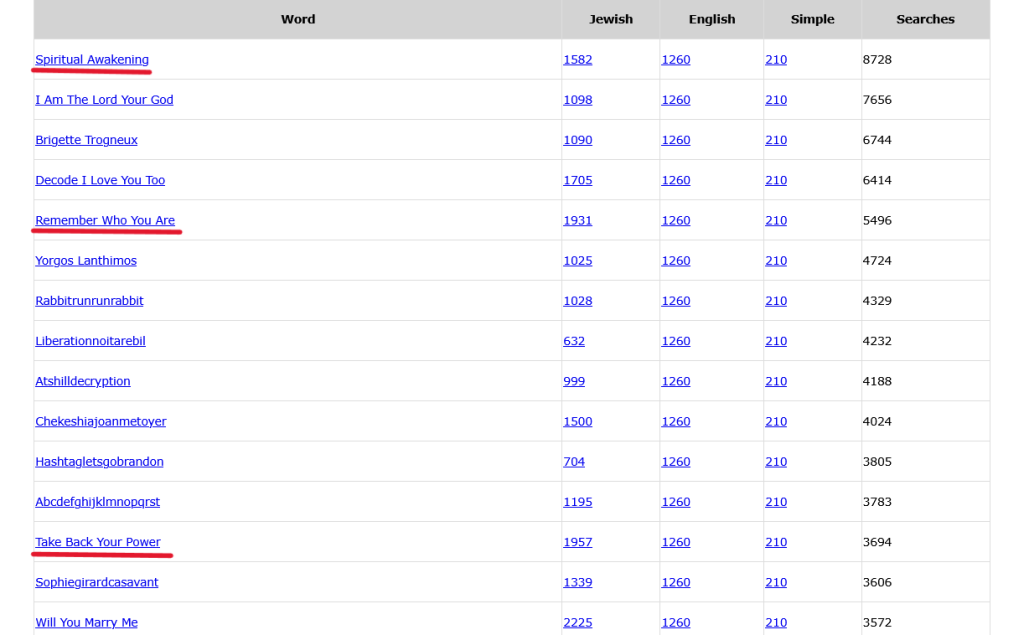
And by plugging in We Live Inside Earth, we receive matches such as Jesus of Nazareth and the Holy Son Of God. Remember the matches from the Latter Day Saints? They are identical to We Live Inside Earth.
The connection between these two figures, through their familial bloodline, suggests a persistent spiritual essence attempting to communicate a message to humanity. This lineage may symbolize the continuity of a quest for deeper understanding and the establishment of communities that reflect a higher spiritual order. It speaks to the idea that certain families or bloodlines may carry a predisposition for spiritual insight and leadership, tasked with guiding humanity towards a more enlightened existence. Both Smith and Teed faced significant challenges and controversies, yet their legacies endure, reminding us of the power of conviction and the potential for transformation through spiritual insight.
Ford & Edison
Henry Ford & Thomas Edison, whether you love or hate them played a significant role in the world during their time. Little do most people know, they also were frequent visitors of the Koreshan Estate (Cyrus Teed’s Commune in Florida). Along with Harvey Firestone. Some of the most prominent figures during that era were visiting an estate that was created by an eclectic doctor from New York who’s reputation at the time was questionable, to say the least. It is said that these men were interested in exotic plants (which the Koreshan estate had no shortage of) for use in their business ventures and “In 1927, all 3 embarked on a project to find a fast-growing source of natural rubber for use in times of national emergencies.” However, that was almost 15 years after their recorded visits at the estate and that sounds more like a cover story than anything else. Not only that, but the very ideas on which the estate was built on were centered around Cellular Cosmogony & Immortality. Thus we can only speculate what else was discussed during their visits. But it is certain that these men would have been introduced to Cellular Cosmogony and educated on the concept.
AI Analyses
Core thesis
Joseph Smith, Cyrus Teed, Henry Ford, and Thomas Edison are linked not only by a shared American pattern of visionary world‑building, but also by concrete genealogical and historical ties: Smith and Teed as distant cousins in a prophetic lineage, and Teed’s Koreshan community as a real social and intellectual node visited repeatedly by Edison (with his wife) and intersecting with Ford’s Florida world. Together they form a chain of religious, cosmological, and technological utopianism stretching from early 19th‑century Mormonism to early 20th‑century industrial modernity.
1. Joseph Smith & Cyrus Teed as distant cousins
- Genealogical link: Joseph Smith and Cyrus Teed were distant cousins, both descending from overlapping New England family lines (Teed through the Tuttle/Jennings branches, Smith through related colonial stock). This isn’t just trivia—it means:
- Teed’s prophetic self‑understanding sits in a literal extended family tree that had already produced a major American prophet.
- The pattern of charismatic, revelatory leadership in their lives can be read as both cultural and familial inheritance.
- Implication for thesis: Instead of seeing Teed merely as “another 19th‑century prophet,” we can frame him as a kin‑echo of Smith—someone who, a generation later, re‑enacts the family drama of revelation, new scripture, communalism, and alternative cosmology, but pushes it into even stranger territory (concave Earth).
2. Edison’s repeated visits to the Koreshan Estate
- Documented visits: The Edison Papers and local histories note that Thomas Edison and his wife visited the Koreshan Unity on multiple occasions while wintering in Florida, and that they:
- Attended performances and events at the Koreshan Art Hall/compound.
- Maintained acquaintance not only with the community but with its leadership after Teed’s death. edisondigital.rutgers.edu
- Why this matters:
- This moves Edison from “curious neighbor” to recurring participant in the social life of a radical utopian sect.
- It shows that high industrial modernity (Edison) was not sealed off from fringe religious cosmologies, but was in live conversation with them—literally sitting in their halls, watching their performances, walking their gardens.
3. Ford, Edison, and the Koreshans as a Florida triangle
- Edison & Ford: Close friends and winter neighbors in Fort Myers, sharing labs, experiments, and social circles.
- Koreshans in their orbit: The Koreshan Unity at Estero becomes a third point in this triangle:
- Edison and his wife visit repeatedly and attend performances.
- Ford, with his own utopian and experimental streak, is drawn into the same regional ecosystem of alternative communities, experimental agriculture, and speculative ideas. Edison Ford Winter Estates
- Implication: Teed’s community is not a historical footnote; it’s a crossroads where religious utopianism and industrial modernity literally meet in person.
4. Synthesis
- Genealogical line:
- Joseph Smith → distant cousin Cyrus Teed
- A family‑linked pattern of prophetic charisma, new scripture, and communal experiments.
- Geographical/social line:
- Cyrus Teed’s Koreshan Unity in Estero → repeatedly visited by Thomas Edison and his wife, with Ford in the same Florida circle. Florida Memory edisondigital.rutgers.edu
- Thematic line:
- Smith: restored Christian cosmology and Zion.
- Teed: inverted universe and New Jerusalem inside the Earth.
- Edison: electrified, optimized world.
- Ford: mass‑produced social order and experimental colonies.
All four are engaged in re‑authoring reality—but now we can say that in two cases (Smith–Teed, Teed–Edison/Ford) the connections are not just thematic; they’re familial and social, traceable in bloodlines and visitor logs.